Manual Therapy
Temporomandibular Joint Therapy at Diamond DentArt Dental Clinic
The treatment focuses on problems caused by dysfunction of the chewing muscles and the temporomandibular joint (TMJ). Manual therapy for the jaw joint requires a highly complex approach. A holistic perspective is essential, meaning that we consider the patient as a whole rather than focusing solely on the jaw joint.
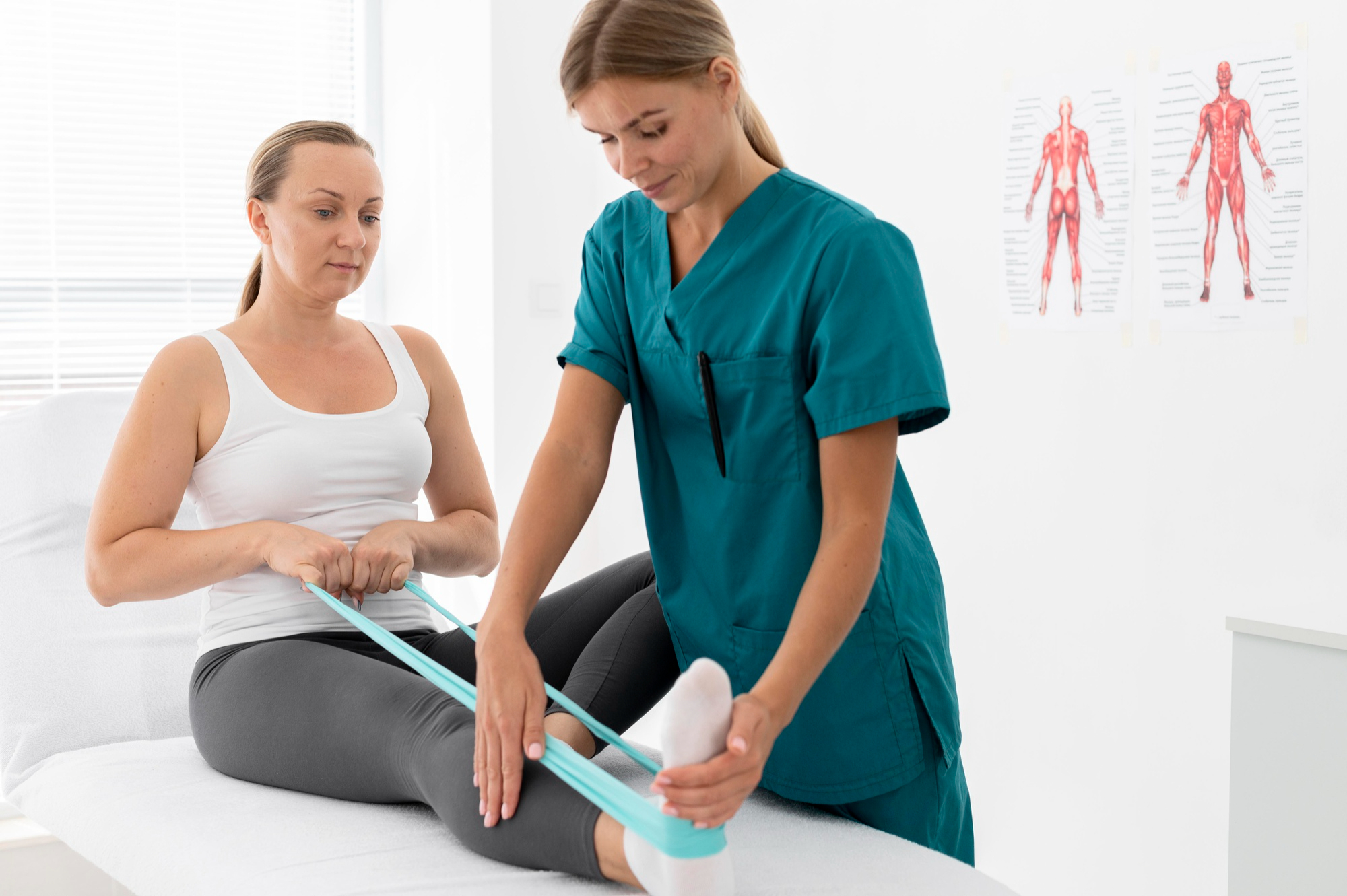
During treatment, we address the joint connection between the skull and the first cervical vertebra, as well as the joints between the first and second cervical vertebrae. We also work on the neck–upper back transition area, restore proper function of the remaining spinal sections, and address possible pelvic dysfunctions. The therapy includes joint mobilisation, muscle relaxation, strengthening exercises, and restoration of neuromuscular control. We do not only work with the external muscles but also examine and treat the muscles inside the oral cavity when necessary. Afterwards, active exercises are used to restore muscular balance.
Symptoms of Jaw Joint Problems:
The aim of the therapy is to eliminate the true cause of jaw pain and restore harmony between the teeth, the temporomandibular joint, and the muscles of the head and neck.
Craniosacral Therapy
Craniosacral therapy focuses on the tissues surrounding the nervous system and may therefore influence the functioning of the nervous and hormonal systems. It can also provide an effective and gentle approach for treating temporomandibular joint complaints. During treatment, most micro-manipulations are performed through the bones of the cranium and facial skull. The therapy aims to release restrictions within the body, and support the body’s natural self-regulating and healing processes.
Barvincsenko Manual Therapy
The Barvincsenko manual therapy method was developed by Russian professor Anatoliy Barvincsenko. Manual therapy is a comprehensive approach that combines scientific principles, assessment methods, diagnostic thinking, and therapeutic techniques. Using hands-on techniques, joint mobility restrictions can be reduced. Where necessary, muscles are strengthened in order to restore the function and stability of the spine, pelvis, and limb joints. This method is used both for reducing existing pain, and preventing recurring problems. A manual therapy assessment begins with a detailed consultation, followed by a physical examination, including posture analysis and movement assessment. The results of the physical examination are compared with the imaging of the spine. The entire body is assessed, and diagnosis and treatment planning are based on understanding the relationship between different areas of the body. After treatment, patients are taught active exercises to perform at home, which are recommended to help prevent recurrence of the problem.
Book an appointment at our dental clinic in Siófok, and together we will find the therapy that best suits your individual needs.