
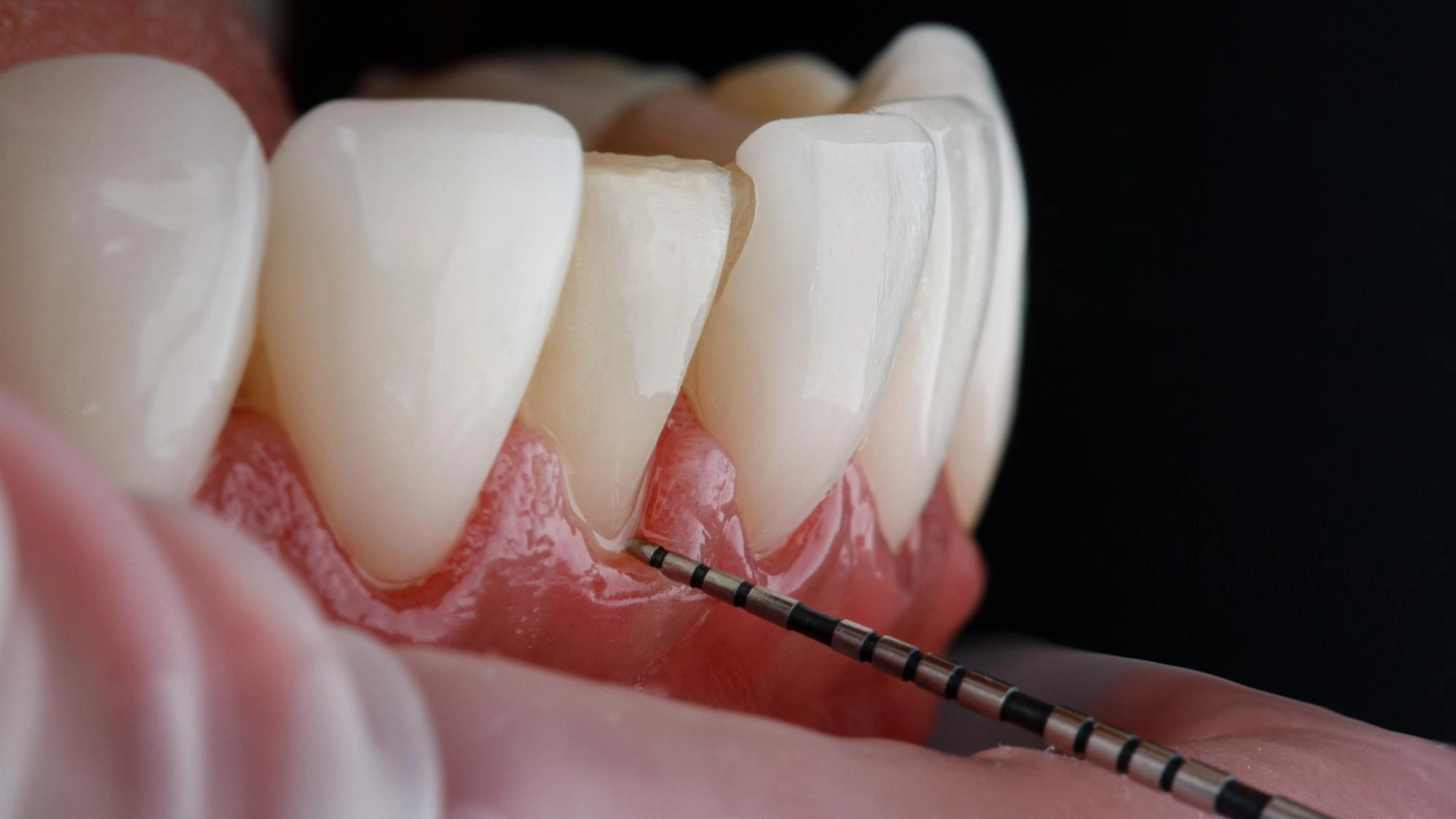
What is Periodontology?
Periodontology is the specialised field of dentistry that focuses on the prevention, diagnosis, and treatment of diseases affecting the tissues surrounding and supporting the teeth, including the gums, periodontal ligament, root surface tissues, and jawbone.
The word “periodontology” originates from Greek. “Para” means “around”, while “odontos” means “tooth”. The periodontium refers to the complete system of tissues that surround and support the teeth, and periodontology is the science dedicated to maintaining their health.
What Does a Periodontist Do?
A periodontist is a specialist in diseases affecting the supporting structures of the teeth. Their role includes treating gum inflammation (gingivitis), periodontal disease (periodontitis), and the bone loss that may develop as a result.
The aim of periodontal treatment is not only to eliminate inflammation but also to stabilise the condition of the supporting tissues and preserve natural teeth for as long as possible.
A periodontist’s responsibilities include:
What Can Cause Teeth to Become Loose or Mobile?
A slight natural movement of teeth is normal. However, increased tooth mobility may indicate a more serious underlying problem.
The most common cause is untreated periodontal disease. As a result of chronic inflammation, the tissues and bone supporting the teeth gradually deteriorate, causing the teeth to lose their stability.
The earlier treatment begins, the greater the chance of preserving the affected teeth.
When Should You Visit a Periodontist?
Many patients seek professional help only when their teeth become loose or their gums have already receded. However, periodontal diseases often progress silently for a long time, which makes early detection extremely important.
Inflamed gums at Lake Balaton?
Don’t let gum problems affect your holiday.
A periodontal examination is recommended if you experience:
Who Should Have Regular Periodontal Check-Ups?
Early detection and treatment of periodontal diseases can prevent tooth loss in most cases. Regular dental and periodontal check-ups help maintain the long-term health of your gums, teeth, and oral cavity.
At Diamond DentArt Dental Centre, we help identify problems at an early stage and prevent the development of more serious conditions.
Visit our dental clinic in Siófok, located near Lake Balaton.